
At age seven Harley Bruce received a cochlear implant, due to being born with Mondini Syndrome, a condition where the cochleae aren’t fully formed, making hearing aids redundant.
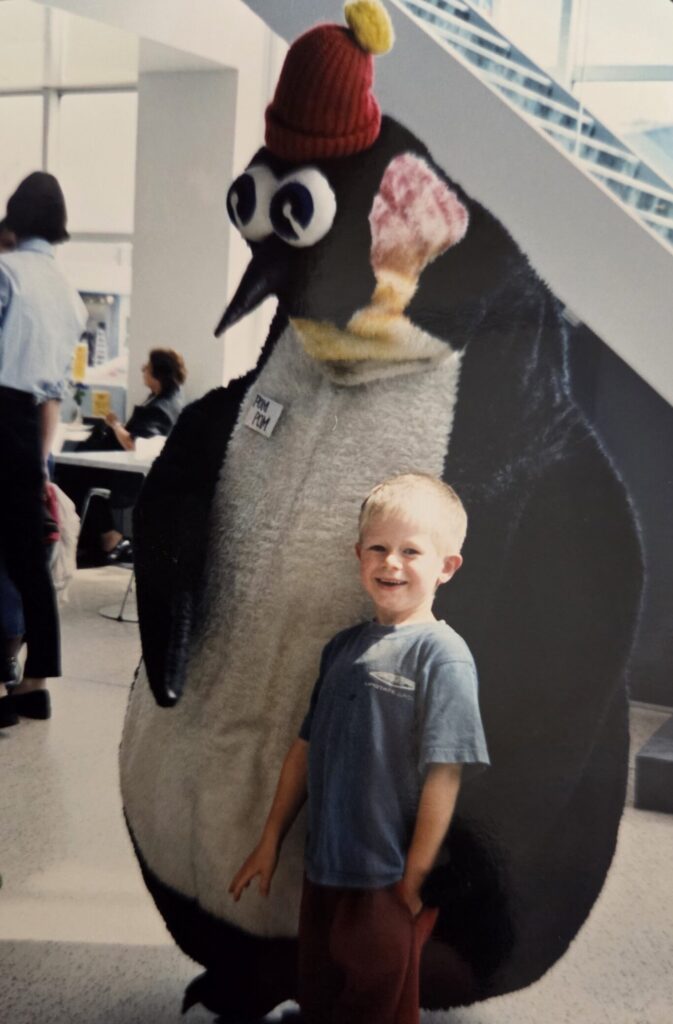
Now in his 30s, when Harley was born children were only able to receive one implant, as bilateral implants for children were not publicly funded until 2014. “(Although) I don’t recall the switch-on experience itself,” says Harley. “I remember some of the early MAPping sessions.”
Living in Rangiora meant travelling to Auckland, the only place MAPping were available, so he and his parents became regular visitors.
“A Sky Tower visit was one of the treats I recalled I got for behaving at these sessions,” Harley remembers. It would be a further decade until he received his bilateral implant at the age of 17.
“People ask why I took so long to get the second one. (For me) it was an emotional decision and not one I was ready (to make) for many years,” explains Harley. “I initially couldn’t face the trauma of another operation (for some reason they freak me out and still do).
“I finally bit the bullet and got a Med-El implant on my left (side). The reason for the different brand was that at the time only one implant was funded by the government for children and the Med-El had a half-price special at the time so we grabbed it.
“I remember the switch-on for this second one as a lot of beeps & bops and it took maybe six months before the two implants were ‘married’ in their processing. I started hearing the two implants as ‘one’ sound rather than two contrasting and distracting sounds.
“One Saturday morning I only had the new second implant on and, hearing a noise which, after many intense seconds, I determined to be a car passing by. That was a real eye opener and a moment where I thought ‘OK, it’s definitely been worth getting that second one.’”
Harley describes school as “always challenging” as he needed to always be doing an activity rather than just sitting and listening.
“Drawing was my favourite go to, but some teachers weren’t impressed with some of the pictures I did in my books – apparently not related to the subject! I loved English, particularly creative writing and reading book. I’d always been a bookworm from day one and I feel that’s where I get a lot of my information from. I found Maths terribly boring and tedious.
“For most of my school life I had a teacher aide in a lot of classes – mostly jotting down notes of what the teacher said so I knew what to do. In the early days I had to do a lot of extra work (I didn’t know anything different at the time) to keep up with my peers so my teacher aides would (use) extra books to help with that, bless their souls.”
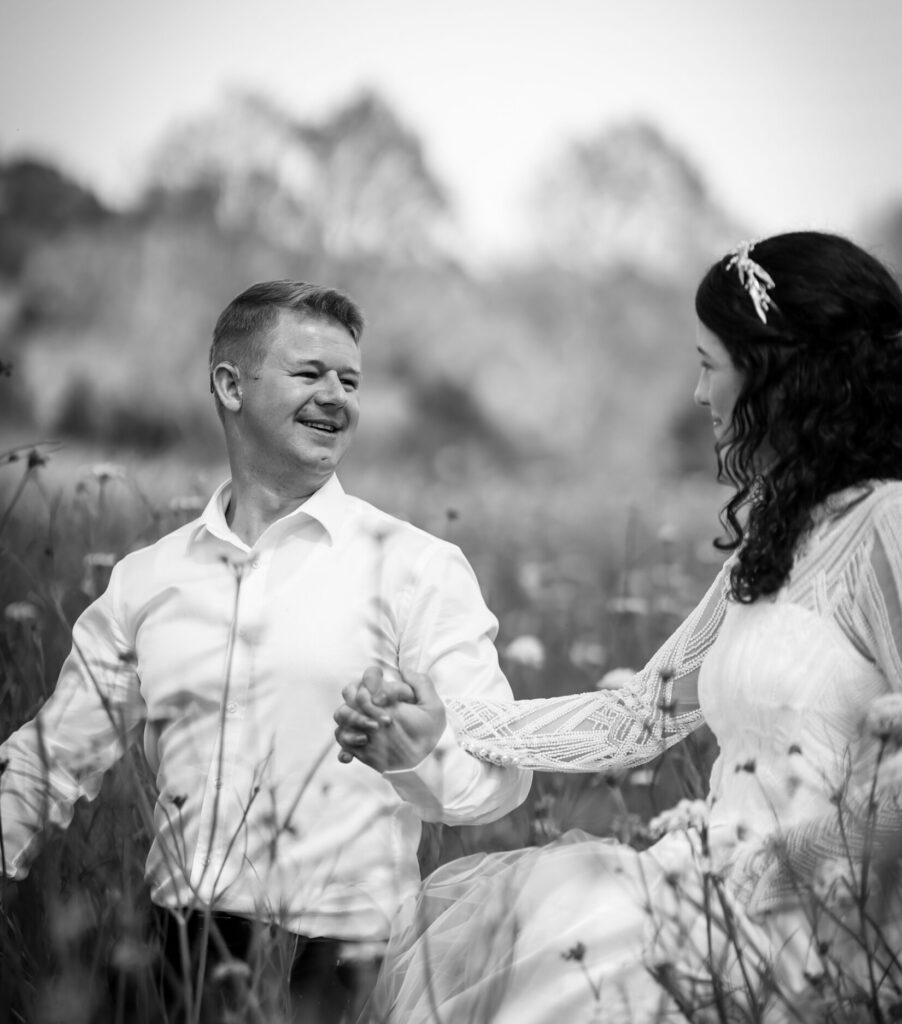
Harley finished school after completing Year 13 and found work for a family friend’s business. He’s still there after almost 13 years.
“For a start I was in a dispatch role and managed the warehouse in addition to dispatching goods. It was a small business, so I was the only one (in those roles).
“As we grew, I moved into looking after the hire fleet and now I’m working in the operations role, looking after the systems and IT equipment, as well as operational administration work.”
At age 29 Harley met and married (in his words) ‘to a lovely girl from the North’, but a year later his original implant failed after 23 years of faithful service. Harley says the SCIP team did “an awesome job” with their encouragement, and doing what they could to keep it working as long as possible. However, the decision was made to replace it with a SCIP funded implant.
Back on track, there’s more good news – Harley and his wife are expecting their first child in March.