

Sharing books with tamariki is one of the most effective ways to support early language development. Books expose tamariki to a wide range of language and concepts while encouraging joint attention and interaction.
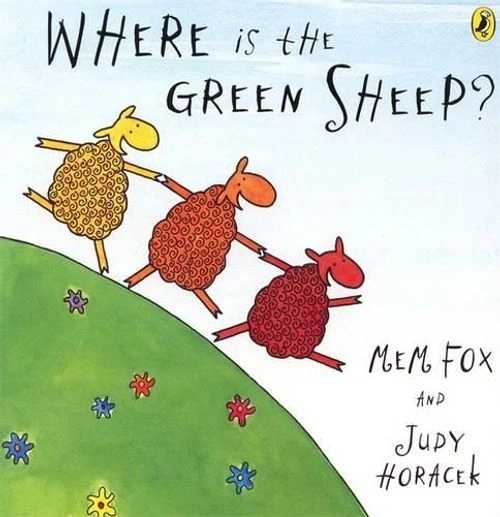 One important benefit of shared reading is exposure to new vocabulary and ideas. While reading Where is the Green Sheep?, whānau can describe the sheep using words from the story, such as “happy sheep” or “sad sheep”. These simple descriptions help tamariki learn new words and connect them with what they see in the pictures.
Shared reading also helps tamariki learn how words form sentences. For example, whānau might say, “The sheep is jumping”, “The sheep is swinging”, or “The sheep is sleeping”. Hearing these simple sentences helps tamariki understand how language works and how words fit together to express meaning.
Another important part of book sharing is joint attention and turn-taking, where whānau and tamariki focus on the same page together. Looking at the pictures and talking about them encourages interaction and helps tamariki connect words with meaning. For example, when turning the pages of the book, whānau might say, “I’m turning the page”, then pause and give tamariki time to respond, perhaps saying, “Here is the…”
Through shared reading experiences like this, tamariki learn through positive interactions with whānau. Over time, these experiences support vocabulary growth, language understanding, and confidence in communication.